
SOLAR • BATTERY • EV • BUYING ADVICE
Solar & Battery Learning Centre
Learn how solar, battery storage and home energy systems work, what to consider before installation, and how to choose the right solution for your home.
Expert Advice
Guidance from experienced solar professionals.
Practical & Honest
Practical guides. Straightforward advice. Local expertise.
Sydney Focused
Local rebate, regulation and installation guidance.
Current Guidance
Practical information reviewed as products, rebates and industry requirements change.
Explore Topics
Choose a topic below to jump to that section.
Learn the basics
Understand Solar & Battery
Explore topic

Costs, rebates & payback
System Costs & Rebates
Explore topic
Installation & aftercare
Installation & Support
Explore topic
Find the right solution
Choosing the Right System
Explore topic
Practical guides. Independent advice. Local expertise.1
Understand Solar & Battery
Learn how solar and battery storage work together to power your home, store excess energy and reduce reliance on the grid.
How Home Solar Works
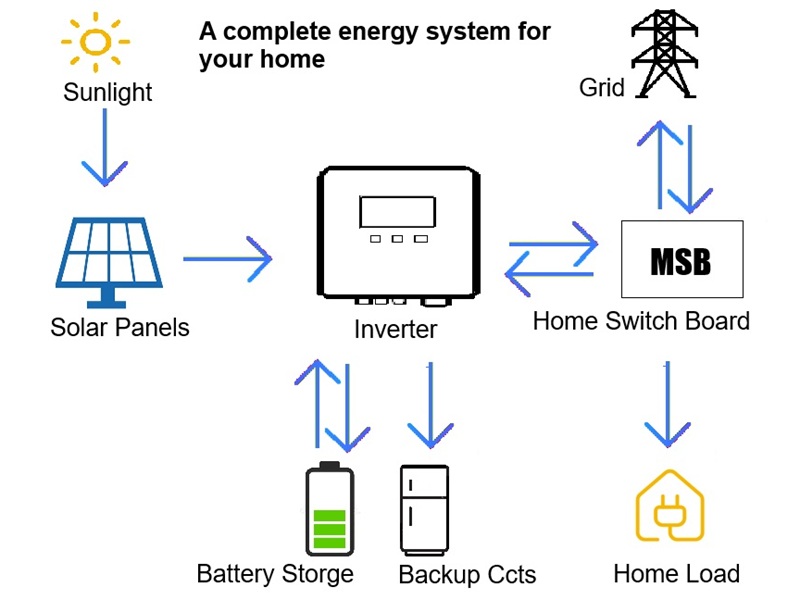
Solar panels generate electricity during daylight hours, which can be used in your home, stored in a battery or exported to the grid.
1. Solar Generation
Solar panels convert sunlight into DC electricity.
2. Inverter
The inverter converts DC electricity into usable AC power.
3. Your home
Available solar energy helps power your home first.
4. Electricity Grid
Excess solar can be exported when it is not stored or used.
Understanding Battery Storage
A home battery stores available energy for later use, helping you use more of your own solar energy when solar generation is low.
1. Store Excess Solar
Store available excess solar energy for later use.
2. Use Energy Later
Use stored energy when solar generation is low.
3. Reduce Grid Use
Use more of your own solar energy and reduce grid electricity use.
4. Monitor Your System
Monitor battery performance and household energy use through the system app.
How Solar and Battery Work Together
What Happens Throughout the Day
Daytime ☀️
Solar helps power your home, while available excess energy can charge the battery.
Evening 🌙
Stored battery energy can help power your home when solar generation falls.
When Needed ⚡
The grid can supply electricity when available solar and stored battery energy are not enough.
System Costs & Rebates
Understand what affects solar and battery costs, available incentives and the factors that influence system payback.
What Affects Solar System Cost?
Solar system costs vary depending on system size, equipment, site conditions and installation requirements.
1. System Size
Larger systems require more panels and equipment, increasing overall cost.
2. Panel & Inverter Choice
Equipment, features and warranty options can influence system price.
3. Roof & Installation
Roof type, access and electrical requirements can affect installation cost.
4. System Design
System layout and your home’s energy requirements influence the final design.
What Affects Battery Cost?
Battery costs vary depending on storage capacity, equipment, installation requirements and system compatibility.
1. Battery Capacity
Larger battery capacity generally increases the system cost.
2. Battery Brand & Features
Brand, warranty, backup capability and system features can affect price.
3. Installation Requirements
Location, switchboard work and electrical upgrades can influence installation cost.
4. System Compatibility
Existing solar, inverter and backup requirements can influence system design.
Solar & Battery Rebates
Government incentives may help reduce the upfront cost of eligible solar and battery systems. Available programs, eligibility requirements and incentive values can change over time.
ℹ️ Eligibility Matters
System, property and installation requirements can affect eligibility.
Understanding Payback
System payback depends on the upfront cost, household energy use, solar self-consumption, electricity prices and applicable incentives.
Upfront Cost
System price after applicable incentives.
Electricity Usage
How much electricity consumed and when you use it.
Solar Self-Consumption
How much of your solar energy you use directly or store for later.
Electricity Prices
Electricity rates can influence the value of solar and stored energy.
Installation & Support
Learn what happens before, during and after installation, from site assessment and system design to handover and ongoing support.
What Happens During Installation?
A clear process from initial assessment to a fully commissioned system.
1. Site assessment
Your roof, switchboard and energy requirements are reviewed before installation.
2. System Design
The system is designed around your property, energy use and installation requirements.
3. Professional Installation
Solar, battery and associated electrical equipment are professionally installed.
4. Testing & Handover
The system is tested, commissioned and explained before handover.
After Your System Is Installed
Support should continue after installation, with clear handover information, system monitoring, warranty support and ongoing assistance when required.
1. System Handover
Understand system operation, settings and key documentation.
2. Monitoring Setup
Monitoring is configured so you can track system performance.
3. Warranty & Support
Know what is covered and who to contact if you need assistance.
4. Ongoing Maintenance
Monitor system performance and arrange inspection or maintenance when required.
Warranty & Support
Keep your system documentation and understand the warranty and support arrangements that apply to your installation.
Product Warranties
Understand the applicable manufacturer warranty terms.
Documentation
Keep system details, serial numbers and warranty information.
Support
Know who to contact if your system requires assistance.
Monitoring & Maintenance
Regular monitoring can help identify changes in system performance and when further inspection may be required.
Check Production
Know how much energy your system normally produces.
Review Monitoring
Monitoring apps can help identify unusual system performance.
Keep the System Clear
Keep panels and equipment areas clear where safe and practical.
Need Help?
Contact NTN Energy if system performance changes unexpectedly.
Choosing the Right System
Understand the key factors that influence solar and battery system design, from energy use and roof suitability to backup and future energy needs.
Choosing the Right Solar System Size
Solar system size depends on your electricity use, available roof space and future energy needs.
1. Electricity Usage
Consider how much electricity your household uses and when you use it.
2. Roof Space & Orientation
Roof area, orientation and shading influence how much solar can be installed.
3. Daytime Energy Use
Daytime electricity use can influence the most practical system size.
4. Future Energy Needs
Consider future battery storage, EV charging and other changes in electricity use.
Choosing the Right Battery Size
Battery size depends on household energy use, available solar generation, your energy goals and any backup requirements.
Household Energy Use
How much electricity your household uses and when it is used helps determine practical battery capacity.
Solar Generation
Your solar system size and available excess generation influence how much energy may be available to charge the battery.
Energy Goals
Consider whether your priority is solar self-consumption, reducing grid use or greater energy flexibility.
4. Backup Requirements
If backup is important, consider which circuits need support and for how long.
Is Your Roof Suitable for Solar?
Roof Space & Orientation
Available roof area, orientation and layout influence where solar panels can be installed.
Shading
Trees, buildings and roof structures can reduce available solar generation.
Roof Condition
The roof should be suitable for the proposed solar installation.
Compare When Choosing Equipment
Warranty
Compare warranty coverage, terms and applicable conditions.
Manufacturer Support
Consider warranty support, product availability and the manufacturer's Australian support network.
System Compatibility
Solar, inverter, battery and monitoring equipment should work together appropriately.
Performance & Features
Compare the features that matter to your household rather than specifications alone.
Featured Articles
Practical guides to help you understand solar, battery storage, system costs, rebates, warranties and energy choices.
View all articles →
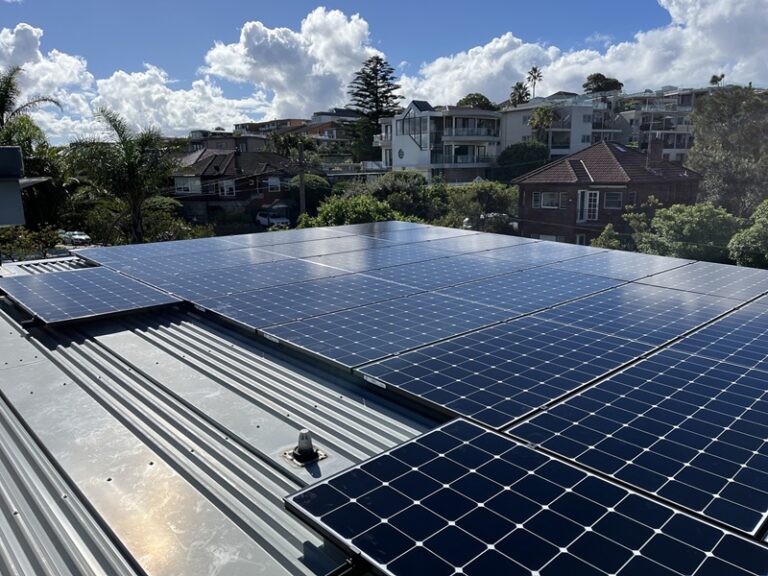
RESIDENTIAL SOLAR
How Much Does Solar Cost in Sydney?
Understand solar pricing, rebates and the key factors that influence system costs for Sydney homeowners.
6 min read
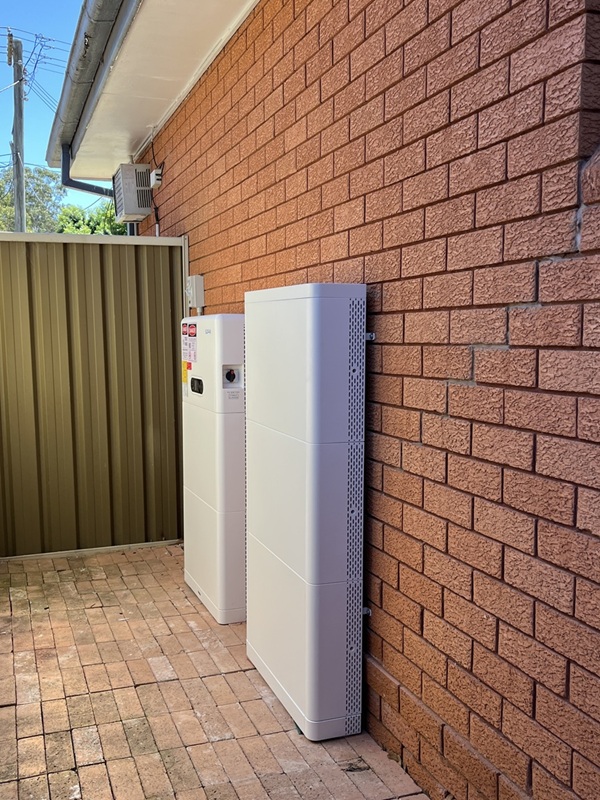
HOME BATTERY
Is a Home Battery Worth It in Sydney? | 2026 Guide
6 min read
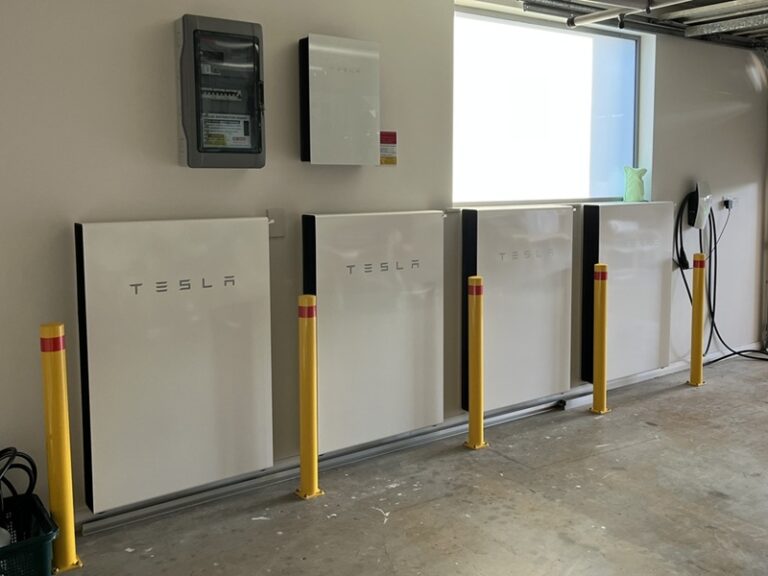
BATTERY SIZING
What Size Solar Battery Do I Need?
10 min read
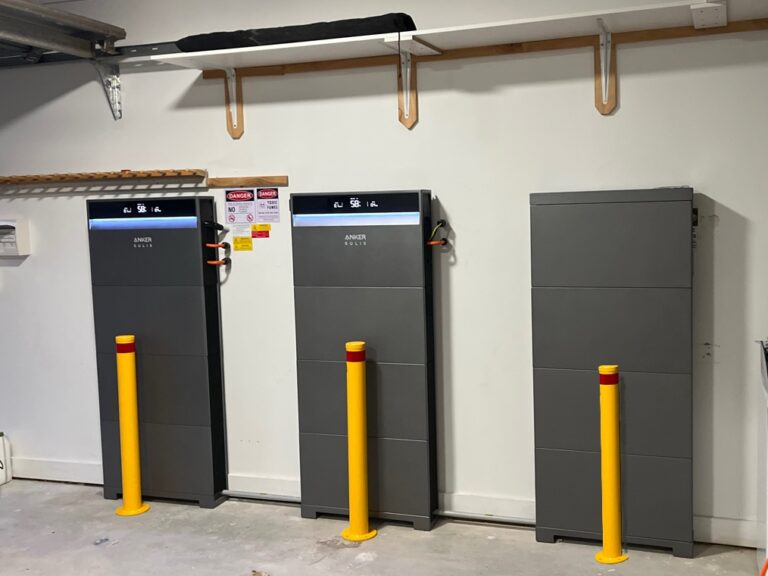
BATTERY REBATES
NSW Home Battery Rebate 2026 | Federal & VPP Guide
Understand current battery incentives, VPP requirements and the key eligibility points NSW homeowners should check.
10 min read
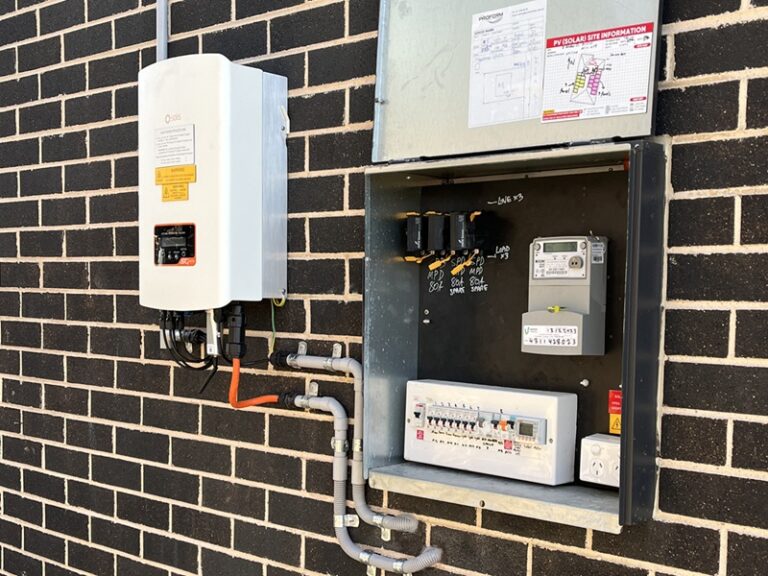
ELECTRICITY TARIFFS
Electricity Pricing Plans & Tariffs
6 min read
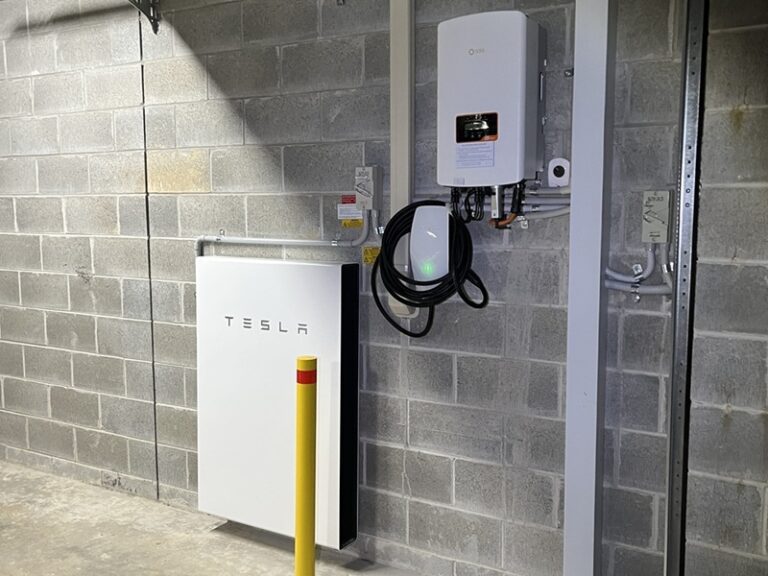
WARRANTY & SUPPORT
Solar Battery Warranty Australia | What to Check
10 min read
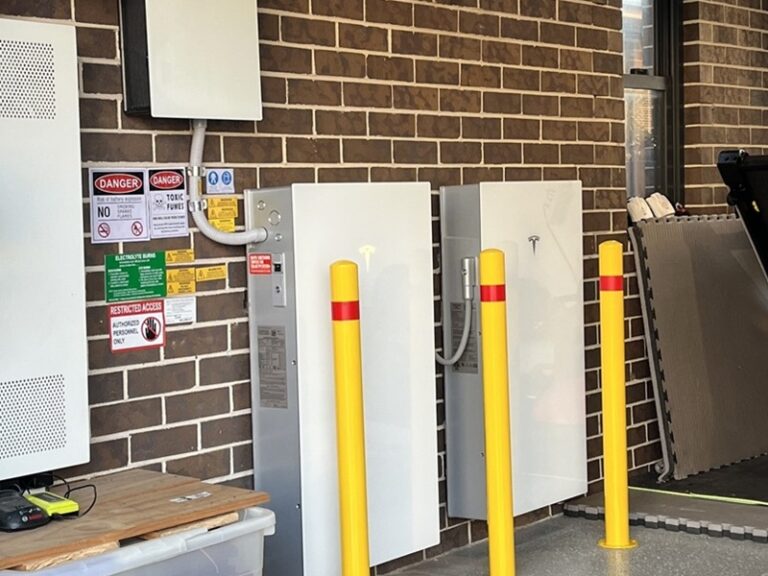
BATTERY REVIEW
Tesla Powerwall 3 Review: Is It Worth It?
Explore Powerwall 3 capacity, power output, backup capability and solar integration for Australian homes.
7 min read
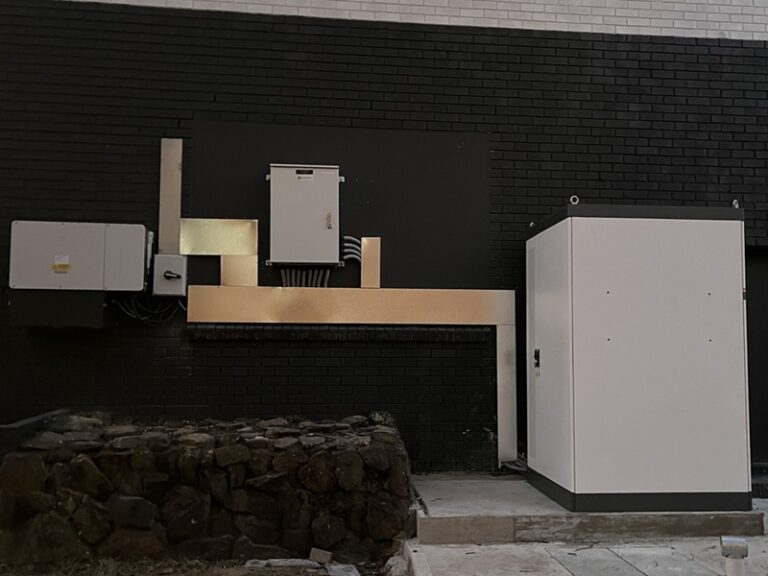
COMMERCIAL BATTERY
NSW Commercial Battery Rebate 2026
Understand battery incentives, eligibility requirements and key considerations for NSW businesses considering commercial energy storage.
10 min read
Frequently Asked Questions
Quick answers to common questions about solar, battery storage, installation and system ownership.
How much does solar cost in Sydney?
It depends on a range of factors including:
- the solar system’s size
- the brand and quality of the hardware components
- the quality of the installation and level of after-sales service
- challenges to installation, such as a steep roof, difficult access or a multi-storey building
- extras that might be needed, such as an upgraded switchboard, rack mounting or extended cabling
- adding a battery, which can be a large upfront cost.
Single-Phase or Three-Phase Inverter?
The suitable inverter configuration depends on your property’s electrical supply, system size, network requirements and proposed system design. A three-phase property may use different inverter configurations depending on the project. NTN Energy assesses the existing electrical supply and system requirements before recommending a suitable solution.
How long do solar panels last?
- Average Lifespan: 25–30+ years of active electricity production.
- Degradation Rate: Most panels lose less than 0.5% to 0.8% capacity per year.
- Output at 25 Years: Panels generally still produce 80% to 90% of their original power.
- Performance Warranties: Most tier-one manufacturers guarantee at least 80–88% output performance at the 25-year mark.
How long does installation take?
- Installation can take 1–3 days, depending on the size of the system and complexity of the job.
- The installation is likely to run more smoothly if your installer has visited the site beforehand.
- Installation is one step in the process of getting your solar connected. There may be delays, but a good installer or solar retailer should communicate clearly and keep you informed.
Do all battery systems have a backup function?
Battery systems with compatible hybrid inverters can provide backup power during a power outage when configured for backup operation.
A battery can provide back-up power during an outage, but it must be configured to do so.
During a power outage, you may need to manage your electricity use to make the most from the energy stored in your battery and avoid overloading the battery inverter.
What Rebates and Loans Are Available for Solar and Batteries?
- The Australian Government’s Small-scale Renewable Energy Scheme (SRES) reduces the cost of most new residential and business rooftop solar systems.
- From 1 July 2025, the Australian Government’s Cheaper Home Batteries Program is providing around a 30% discount on the cost of installing a battery as part of an expansion to the SRES.
- Rebates and loans are also provided by some state and territory governments and local councils.
How do I choose the right system size?
- available sunny roof area on your property
amount of electricity you use and when you use it - price you pay for electricity and the feed-in tariff
- the amount of sunshine in your climate region
your budget. - Working out the best system size can be complicated. Solar retailers and installers usually use specialist solar quoting software to determine a suitable system size and design, and estimate the projected savings.
What warranties should I expect?
A Product warranty covers faulty products.
- Solar panel performance warranty
- Workmanship warranty
- Battery warranties
- Insuring your solar system
- Warranties usually do not cover things like hail damage. You can add another level of protection by taking out insurance on your solar system.

Solar, battery storage, EV charging and electrical specialists serving Greater Sydney, Wollongong and surrounding NSW regions.
Solutions
Contact
- 0451 507 515
- info@ntnenergy.com.au
- Sydney NSW
Why Choose NTN
- Established 2018
- Site-Assessed Solutions
- Quality Workmanship
- Ongoing Local Support
© 2026 NTN Energy. All Rights Reserved.
Serving Greater Sydney, Wollongong and surrounding NSW regions.