
BATTERY STORAGE · PRODUCT REVIEW
Tesla Powerwall 3 Review: Is It Worth It?
Tesla Powerwall 3 is one of the best-known home battery systems in Australia, combining 13.5 kWh of usable storage, an integrated solar inverter, backup capability and smart energy management in one system. But is it the right battery for your home? This review looks at its key features, advantages, limitations and the factors Sydney homeowners should consider before buying.
Updated August 2026 · 7 min read · NTN Energy
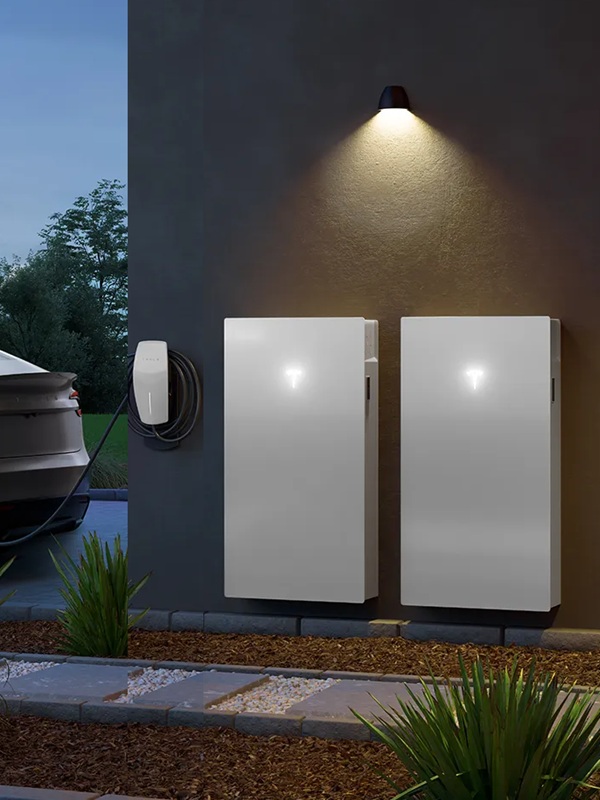
What We Like About Tesla Powerwall 3
Powerwall 3 combines battery storage, solar integration, backup capability and smart energy management in a single system. Here are the features that stand out for Sydney homeowners considering a home battery.
1. 13.5 kWh Usable Storage
Powerwall 3 provides 13.5 kWh of usable energy storage, giving many households enough capacity to shift a meaningful amount of daytime solar generation into the evening and overnight period.
2. Strong Power Output
High power output allows Powerwall 3 to support larger household loads and multiple appliances at the same time. Actual output and system capability depend on the installation design and local requirements.
3. Integrated Solar Inverter
Powerwall 3 includes an integrated solar inverter, allowing solar and battery functions to be combined within one system. This can be particularly attractive for new solar-and-battery installations.
4. Backup Power
When installed with the appropriate backup equipment and system design, Powerwall 3 can keep selected household circuits operating during a grid outage. Backup duration depends on available battery energy and household consumption.
5. Tesla App & Smart Energy Management
The Tesla app lets homeowners monitor solar generation, household consumption, battery charging and grid energy flows, while providing controls for how stored energy is used.
Don't choose a home battery by brand alone
Battery capacity, usable power, solar production, household electricity use, backup requirements, system compatibility, warranty and installation design should all be considered when comparing battery options.
Powerwall 3 With Existing Solar
Powerwall 3 can be used with new or existing solar systems, but the best integration method depends on the equipment already installed, the solar system design and the household’s future energy needs.
Adding Powerwall 3 to Existing Solar
If your home already has solar, the existing inverter, solar array size, switchboard and system configuration should be assessed before adding a battery. The goal is not simply compatibility, but a system design that works efficiently with the equipment already installed.
New Solar + Powerwall 3
For a new solar-and-battery installation, Powerwall 3’s integrated solar inverter can create a more streamlined system architecture. Solar array size, battery capacity and backup requirements can be designed together from the beginning.
Important
Compatibility does not automatically mean every existing solar system should use the same Powerwall configuration. A site-specific assessment is important to determine the most suitable system design.
Powerwall 3 and Backup Power
Backup power is one of Powerwall 3’s strongest features. When the grid goes down, a properly configured Powerwall system can automatically provide stored energy to the home, helping keep important appliances and circuits operating.
How long will Powerwall 3 last during a blackout?
There is no single backup duration that applies to every home. How long the battery lasts depends on its state of charge when the outage begins, the household loads being powered, solar production during the outage and the way the backup system has been configured.
Battery Charge
How much stored energy is available when the outage begins.
Household Loads
Air conditioning, cooking and other high-power appliances can use stored energy quickly.
Solar Production
Daytime solar may help supply the home and recharge the battery.
Backup Design
The system design determines which household loads are supported.
Battery Rebates and Incentives
Australian Government Cheaper Home Batteries Program
The Australian Government’s Cheaper Home Batteries Program provides an upfront discount on eligible small-scale battery systems connected to new or existing rooftop solar. The discount is generally applied through the retailer or installer and is delivered through the Small-scale Renewable Energy Scheme.
Home Battery Rebates in NSW: 2026 Guide
NSW Virtual Power Plant Incentive
NSW households with an eligible battery may also be able to receive an incentive for connecting the battery to a participating Virtual Power Plant (VPP). The actual incentive depends on factors including battery capacity, the VPP provider and the contract offered.
Important
Government programs, eligibility requirements and incentive values can change. Confirm current eligibility and the actual incentive shown on your quotation before making a purchase decision.
Is Powerwall 3 Right for Your Home?
Powerwall 3 is a capable home battery, but whether it represents good value depends on how your household produces and uses electricity. Consider the whole energy system rather than the battery specification alone.
See our Is a Home Battery Worth It in Sydney?
It may be a good fit if you:
- Have enough excess solar to charge a battery
- Use significant electricity in the evening
- Want backup capability during grid outages
- Prefer an integrated solar and battery ecosystem
- Want detailed energy monitoring through an app
- Household electricity use to increase in future
Look more carefully if you:
- Have very low household electricity usage
- Export very little excess solar during the day
- Existing equipment complicates system integration.
- Have limited suitable battery installation space
- Need substantially less than 13.5 kWh of storage
- Are choosing on brand rather than system value
What Should You Consider Before Buying?
The right battery size and system design depend on your household’s energy profile, existing solar system, backup priorities and future electricity needs.
Not sure whether 13.5 kWh is the right capacity for your household? See our What Size Solar Battery Do I Need? guide for a practical approach based on electricity use, solar generation and backup needs.
Solar Production
How much excess solar is available to charge the battery.
Electricity Usage
When / how much electricity your household uses.
Battery Capacity
Whether 13.5 kWh is appropriate for your household.
Backup Needs
Which circuits you want available during an outage.
Future Needs
EV charger, solar power and changing household usage.
Our Verdict
Powerwall 3 combines substantial battery capacity, strong power output, backup capability, an integrated solar inverter and a mature monitoring platform in one system.
For households with suitable solar generation, meaningful evening electricity consumption and a need for backup or greater energy independence, it can be a compelling option.
For homes with limited excess solar, Powerwall 3 offers the best value when combined with a limited-time free electricity policy.
See our Electricity plans and tariffs for solar and battery homes
The right decision should be based on your home’s energy requirements and system design — not the battery brand alone.
Want to Know Whether Powerwall 3 Suits Your Home?
Get a site-specific battery recommendation based on your electricity usage, existing solar system, backup requirements and future energy plans.
Free Site Assessment
Honest Battery Advice
No Sales Pressure
Local Sydney Team
Related Battery Guides
SOLAR system Warranties
Solar Battery Warranty and insurance
Check what the warranties include before purchasing your solar products or insurance.
6 min read
government rebates
NSW Commercial Battery Rebate 2026
Learn how the new NSW business battery incentive works, including eligibility, indicative discounts and solar requirements.
10 min read
BATTERY STORAGE
Electricity pricing plans and tariffs
Find out about electricity pricing plans and tariffs and how they work with solar.
6 min read

Trusted solar, battery and electrical specialists serving Sydney and NSW.
Solutions
Contact
- 0451 507 515
- info@ntnenergy.com.au
- Sydney NSW
Why Choose NTN
- SAA Accredited Installer
- Local and Support
- Quote After Inspection
- Ongoing Support
© 2026 NTN Energy. All Rights Reserved.
Serving Sydney, Western Sydney, North Shore, Eastern Suburbs, Hills District, Inner West, Wollongong and surrounding NSW.